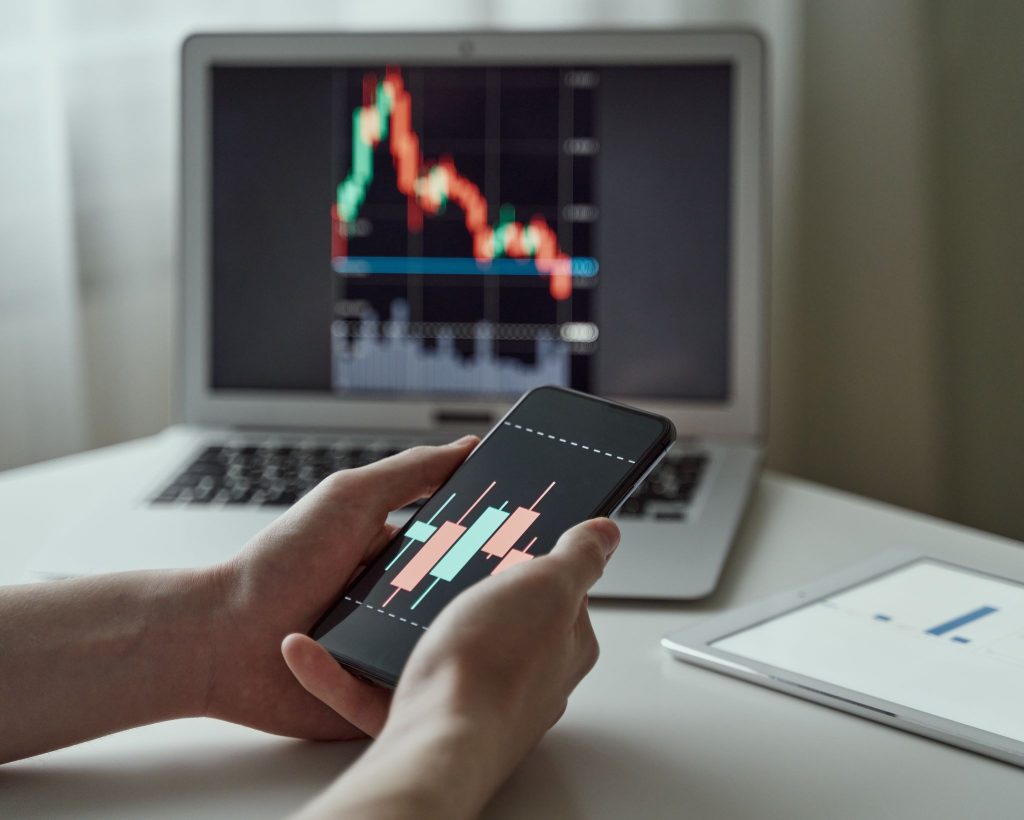
In the fast-paced world of cryptocurrency trading, information is power. The ability to make informed decisions quickly can significantly impact a trader’s success. One of the most critical aspects of modern trading strategies is the use of real-time chain data. This article will explore what real-time chain data is, why it is essential for crypto traders, and how it can enhance trading strategies.
Understanding Real-Time Chain Data
Real-time chain data refers to the immediate and live data generated on a blockchain. This data includes transaction details, block confirmations, network statistics, and other vital metrics that provide insights into the current state of a cryptocurrency network. Unlike traditional market data, which may have delays or lags, real-time chain data offers instantaneous updates that are crucial for traders who need to act quickly.
The Components of Real-Time Chain Data
The core components of real-time chain data can be categorized into several key areas:
- Transaction Data: This includes details about individual transactions, such as the sender and receiver addresses, transaction amounts, and timestamps. Monitoring transaction data helps traders understand market dynamics and user behavior.
- Block Data: Each block on the blockchain contains a set of transactions. Block data includes information on block size, block time, and the number of transactions per block. Understanding block data is essential for assessing network congestion and transaction speed.
- Network Statistics: This encompasses various metrics, such as hash rate, mining difficulty, and the number of active nodes. These statistics provide insights into the overall health and security of the blockchain network.
- Liquidity Metrics: Real-time chain data also includes information about liquidity on exchanges, such as order book depth, trade volume, and price movements. This data helps traders gauge market sentiment and identify potential trading opportunities.
- Smart Contract Interactions: For blockchains that support smart contracts, monitoring interactions with these contracts can provide valuable insights into user engagement and application usage.
The Importance of Real-Time Chain Data for Crypto Traders
In the volatile cryptocurrency market, having access to real-time chain data is not just beneficial; it is essential. Here are some reasons why this data is crucial for crypto traders:
1. Instant Decision-Making
The cryptocurrency market is known for its rapid price fluctuations. Traders who rely on outdated or delayed information may miss critical opportunities or expose themselves to significant losses. Real-time chain data enables traders to make instant decisions based on the latest market conditions. For instance, if a trader notices a sudden spike in transaction volume on a particular cryptocurrency, they can quickly assess whether this indicates increased interest and decide to buy or sell accordingly.
2. Enhanced Market Analysis
Real-time chain data provides traders with a comprehensive view of market dynamics. By analyzing transaction patterns, block sizes, and network statistics, traders can identify trends and correlations that inform their strategies. For example, if a trader observes a consistent increase in transaction fees alongside rising prices, it may indicate heightened demand for the asset, prompting them to consider buying before the price increases further.
3. Improved Risk Management
Risk management is a fundamental aspect of trading. Real-time chain data allows traders to monitor market conditions and adjust their strategies accordingly. By keeping an eye on liquidity metrics and transaction speeds, traders can better manage their positions and minimize exposure to potential losses. For example, if a trader notices that the average transaction time is increasing significantly, they might decide to exit their position to avoid potential slippage.
4. Identifying Market Sentiment
Understanding market sentiment is crucial for successful trading. Real-time chain data enables traders to gauge the mood of the market by analyzing transaction data and trading volumes. For instance, a sudden increase in the number of active wallets or large transactions may indicate bullish sentiment, suggesting that traders are accumulating the asset. Conversely, a spike in sell orders could signal bearish sentiment.
5. Strategic Trading with Smart Contracts
For traders involved in decentralized finance (DeFi), real-time chain data is especially valuable. Smart contracts execute transactions automatically based on predetermined conditions. By monitoring real-time interactions with these contracts, traders can identify opportunities for arbitrage, yield farming, or liquidity provision. For instance, if a trader notices that a specific liquidity pool is gaining traction, they can quickly provide liquidity to earn rewards.
How to Access Real-Time Chain Data
Accessing real-time chain data is more accessible than ever, thanks to a variety of tools and platforms designed for traders. Here’s how you can tap into this valuable information:
1. Blockchain Explorers
Blockchain explorers are online tools that provide detailed insights into blockchain activity. They allow users to view real-time transaction data, block confirmations, and network statistics. Popular blockchain explorers include:
- Etherscan: This explorer focuses on the Ethereum blockchain and provides real-time data on transactions, smart contracts, and token transfers. Traders can use Etherscan to monitor ERC-20 token activity and analyze gas fees.
- Blockchain.com Explorer: This tool offers insights into Bitcoin transactions, allowing traders to view transaction details, block information, and network statistics.
2. Trading Platforms and Exchanges
Many cryptocurrency exchanges and trading platforms provide real-time chain data directly to their users. Platforms like Binance, Coinbase Pro, and Kraken offer advanced charting tools and market data, enabling traders to analyze price movements in real-time. Additionally, these platforms often provide order book data, trade volume, and liquidity metrics.
3. APIs for Developers
For more advanced users, APIs (Application Programming Interfaces) offer a way to access real-time chain data programmatically. Many blockchain platforms and data providers offer APIs that allow developers to integrate real-time data into their applications. Examples include:
- CoinGecko API: This API provides real-time market data, including price, volume, and market capitalization for various cryptocurrencies.
- Infura: Infura offers developers access to the Ethereum blockchain without needing to run their nodes. This service enables real-time monitoring of Ethereum transactions and smart contracts.
4. Analytics Platforms
Analytics platforms specialize in providing in-depth insights into blockchain activity. Tools like Glassnode and Dune Analytics allow users to explore on-chain data and visualize trends. These platforms often offer customizable dashboards and alerts based on specific metrics, helping traders stay informed of market movements.
Real-Life Examples of Real-Time Chain Data in Action
To illustrate the significance of real-time chain data for crypto traders, let’s look at a few real-life examples where this data has made a difference.
Example 1: Capitalizing on Sudden Price Movements
In late 2021, a notable cryptocurrency experienced a rapid price surge due to news of institutional investment. Traders who monitored real-time chain data observed a significant increase in transaction volume and active addresses, indicating heightened interest. By acting quickly based on this data, many traders capitalized on the price surge, resulting in substantial profits.
Example 2: Avoiding Potential Losses
In early 2022, a trader noticed a sudden spike in transaction fees for a particular cryptocurrency. By analyzing real-time chain data, they realized that network congestion was increasing, likely due to a large-scale sell-off. Anticipating potential losses, the trader decided to exit their position before the price dropped further, ultimately saving themselves from significant losses.
Example 3: Identifying Arbitrage Opportunities
A DeFi trader utilized real-time chain data to identify arbitrage opportunities across multiple decentralized exchanges. By monitoring price discrepancies for the same asset across different platforms, the trader executed quick trades that capitalized on these differences, generating profit without significant risk.
Expert Insights on Real-Time Chain Data
To provide further clarity on the importance of real-time chain data for crypto traders, we reached out to industry experts for their insights.
The Role of Real-Time Data in Trading
Dr. Emily Chen, a cryptocurrency analyst, emphasizes the importance of real-time data in trading. “In the fast-moving world of cryptocurrency, having access to real-time chain data is crucial. It allows traders to make informed decisions and respond quickly to market changes. Those who can harness this data effectively often have a significant advantage.”
Future Trends in Real-Time Chain Data
John Smith, a blockchain developer, believes that the future of real-time chain data will be shaped by advancements in technology. “As blockchain technology continues to evolve, we can expect more sophisticated tools for analyzing real-time chain data. Machine learning and AI will play a pivotal role in helping traders interpret this data and make smarter decisions.”
Challenges in Utilizing Real-Time Chain Data
While real-time chain data offers numerous benefits, traders also face challenges when attempting to utilize this information effectively. Here are some common challenges:
Data Overload
The vast amount of data generated on blockchains can be overwhelming. Traders need to filter through this data to identify key metrics that inform their decisions. Developing a clear strategy for data analysis is essential to avoid being inundated.
Interpreting the Data
Understanding what real-time chain data means can be complex. Traders must have a solid foundation in blockchain technology and market dynamics to interpret the data correctly. Misinterpretation can lead to poor decision-making.
Security and Privacy Concerns
While blockchain technology is inherently secure, concerns about data privacy persist. Traders need to ensure that the tools and platforms they use for real-time chain data are reliable and secure. Using well-established platforms and adhering to best practices can mitigate these risks.
Future of Real-Time Chain Data in Crypto Trading
As the cryptocurrency market continues to mature, the importance of real-time chain data will only grow. Here are some potential future developments:
Enhanced Visualization Tools
We can expect to see more advanced visualization tools that help traders interpret real-time chain data more effectively. These tools will likely leverage AI and machine learning to provide actionable insights based on complex data sets.
Integration with Traditional Financial Systems
As cryptocurrencies become more integrated with traditional finance, real-time chain data will play a crucial role in bridging the gap between the two worlds. This integration will enable traders to access a more comprehensive view of the market, enhancing decision-making.
Increasing Regulation and Compliance
As the cryptocurrency market evolves, regulatory scrutiny will likely increase. Real-time chain data will become essential for compliance and reporting, helping traders navigate the regulatory landscape more effectively.
Conclusion
Real-time chain data is an invaluable resource for crypto traders, providing the insights necessary to make informed decisions in a fast-paced market. By understanding the components of real-time chain data and utilizing the right tools, traders can enhance their strategies and improve their chances of success.
As the cryptocurrency landscape continues to evolve, embracing real-time chain data will be essential for staying ahead of the competition. Traders who can effectively harness this data will not only navigate the complexities of the market but also capitalize on opportunities that arise.
FAQs
What is real-time chain data?
Real-time chain data refers to immediate data generated on a blockchain, including transaction details, block confirmations, and network statistics, essential for informed trading decisions.
Why is real-time chain data important for crypto traders?
Real-time chain data enables instant decision-making, enhances market analysis, improves risk management, and helps traders identify market sentiment and opportunities.
How can I access real-time chain data?
Real-time chain data can be accessed through blockchain explorers, trading platforms, APIs, and analytics platforms that provide insights into blockchain activity.